
When the moment arrives to part ways with an older vehicle, automobile owners frequently face a familiar dilemma. Should you take the convenient route offered by a local dealership, or should you explore direct liquidation services? For generations, trading in an automobile at a dealership was considered the standard method for transitioning between vehicles. Dealerships presented a single location where drivers could drop off their existing transportation and drive away in something newer. However, evolving automotive markets and shifting consumer priorities have transformed how people view vehicle depreciation, salvage value, and convenience. Direct acquisition services have emerged as a robust alternative, offering immediate equity without forcing seller compliance with complex dealership purchase conditions. Deciding whether direct liquidation represents a superior path requires a thorough analysis of financial returns, time investment, transaction transparency, and physical vehicle condition.
Navigating the traditional dealership ecosystem often involves negotiating dynamic pricing structures where trade-in values are tied directly to new vehicle purchases. Dealership sales personnel frequently adjust trade valuations to make incoming vehicle financing appear more attractive, obscuring the true market worth of the trade-in itself. In contrast, dedicated acquisition programs focus strictly on the intrinsic worth of the automobile regardless of cosmetic flaws, mechanical failures, or high mileage. Evaluating how direct payout models operate alongside traditional dealership trade-in systems provides clarity for motorists seeking the best return on their automotive investments.
Evaluate Vehicle Value Beyond Dealer Quotations
When presenting an older or high-mileage vehicle to a dealership, the valuation process is heavily influenced by resale potential on the retail lot. Dealerships prioritize automobiles that can be quickly reconditioned and sold to prospective buyers at premium prices. If an automobile requires significant mechanical attention, structural repairs, or extensive cosmetic reconditioning, the dealership must account for those overhead expenses. Consequently, trade-in offers for worn or non-running vehicles are often significantly reduced. Dealerships view compromised vehicles as wholesale burdens that must be auctioned off to third parties, leading them to offer minimal trade credit.
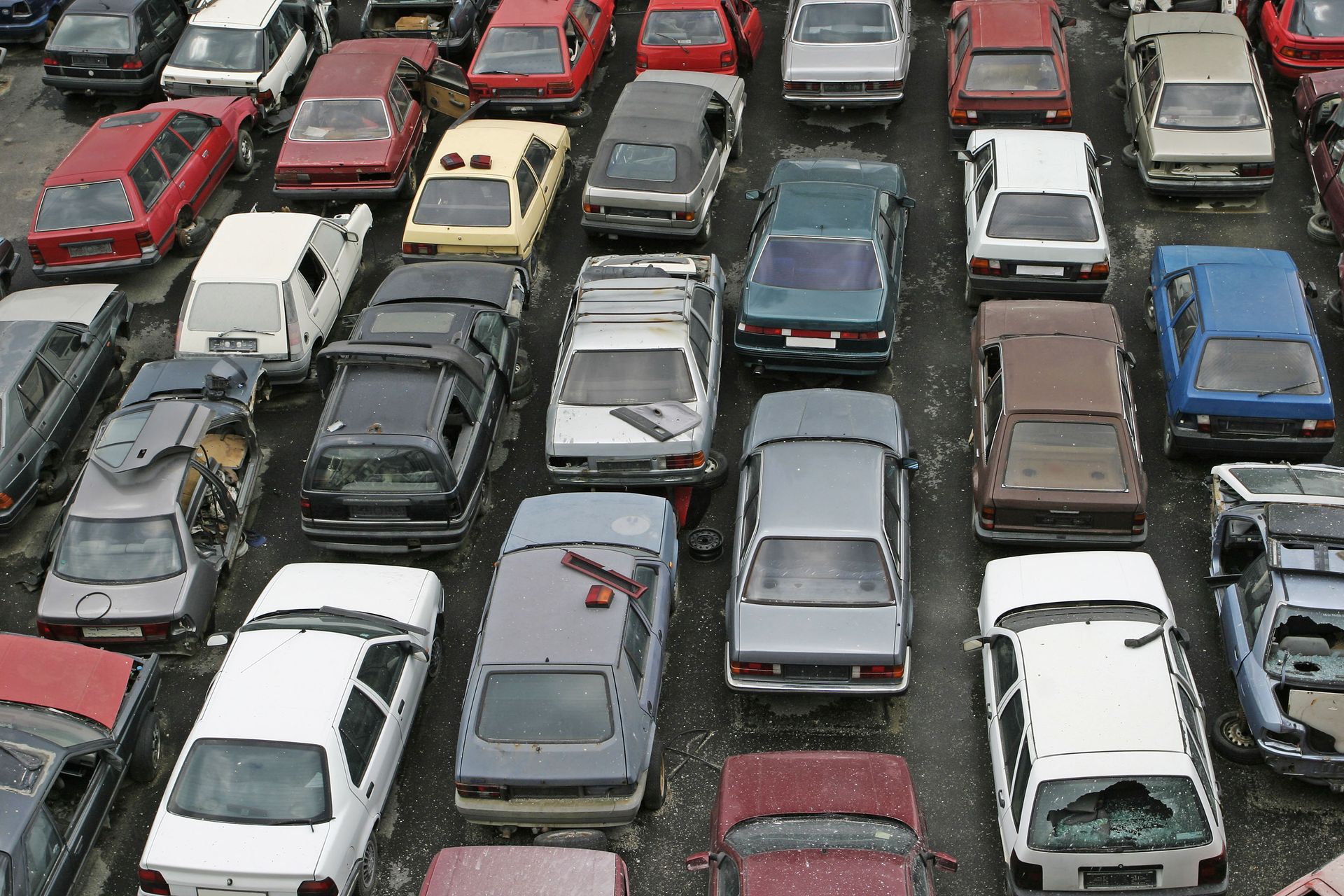
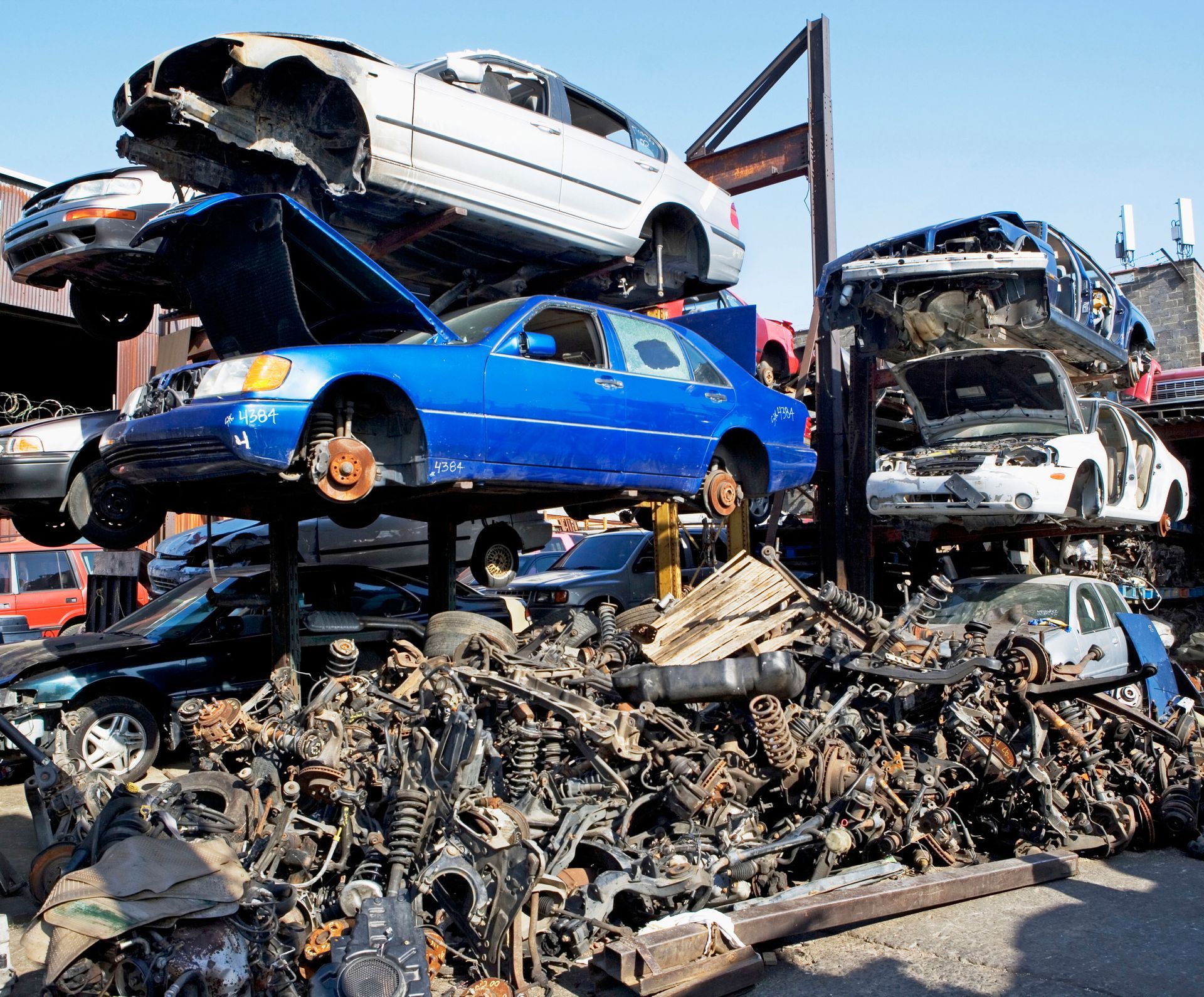
Direct liquidation services, including specialized cash for cars programs, evaluate automobiles through a completely different operational lens. Rather than focusing exclusively on retail resale appeal, direct buying services assess raw material value, functional spare parts, recyclable metals, and total component worth. An automobile that a dealership considers virtually worthless due to engine trouble or frame rust still retains substantial monetary value in raw materials and usable components. According to Coherent Market Research, the vehicle scrapping market alone was approximately $82 billion in 2025, projected to rise to $155 billion by 2032. This massive market expansion highlights the rising economic importance of component recycling and material recovery. Because direct buyers tap directly into these robust recycling supply chains, they offer competitive financial settlements for vehicles that traditional dealers routinely dismiss.
Compare Transaction Speed Across Sales Channels
Time efficiency remains a critical factor for vehicle owners looking to sell an automobile. The traditional trade-in process requires driving to multiple dealerships, waiting for used car managers to complete physical appraisals, and engaging in lengthy price negotiations. If a trade-in agreement is reached, the transaction is tied to extensive paperwork involving new loan origination, title transfers, insurance adjustments, and dealership processing fees. This multi-step procedure can easily consume entire afternoons, with no guarantee that the final financial package aligns with initial expectations or market value estimates.
Conversely, utilizing a dedicated cash for cars option streamlines the entire timeline into a swift, predictable experience. Direct acquisition organizations typically provide preliminary estimates through quick online evaluations or brief telephone consultations. Once basic vehicle information is shared, an agreement can be finalized rapidly. Rather than requiring the vehicle owner to transport an unreliable or uninsured automobile across town, direct buyers routinely organize convenient pickup services directly from private residences or storage locations. This immediate scheduling eliminates tow fees, avoids stressful highway driving in compromised vehicles, and completes the entire sales sequence efficiently.
Avoid Hidden Costs In Standard Dealership Agreements
A primary drawback of conventional trade-in deals involves the presence of subtle administrative charges and variable valuation mechanics. Dealership financial offices frequently utilize complex pricing worksheets where trade allowances, purchase discounts, documentation fees, and dealer preparation costs are bundled together. In many instances, a seemingly high trade-in offer is offset by a higher purchase price on the replacement vehicle or inflated financing rates. Sellers may believe they received generous value for their trade, only to discover that the overall financial terms favored the dealership.
Direct sales models eliminate these bundled negotiations by isolating the vehicle purchase as a standalone monetary transaction. Engaging a cash for cars provider ensures complete transparency from initial valuation to final settlement. There are no mandatory cross-purchases, hidden handling charges, or administrative deductions subtracted from the final payment amount. What is agreed upon during the initial evaluation is what the vehicle owner receives upon title transfer. This straightforward structure provides full financial visibility, allowing sellers to know precisely how much capital they have secured without navigating confusing sales contracts.
Maximize Financial Returns For Aging Vehicles
Vehicle age and mechanical condition drastically dictate which selling channel yields optimal monetary returns. Modern dealerships thrive on clean, late-model trade-ins that fit neatly into certified pre-owned inventories or quick-turnaround retail rows. When an automobile exceeds typical mileage thresholds, exhibits body damage, or suffers from costly transmission issues, dealership interest drops sharply. In many cases, dealers offer token valuations merely to facilitate a new sale, knowing they will send the vehicle directly to a wholesale auto auction where profit margins remain slim.
In contrast, choosing a specialized cash for cars framework allows owners of high-mileage, aging, or non-functional vehicles to unlock true residual value. Every automobile contains valuable heavy metals, working mechanical components, and salvageable electrical systems regardless of physical appearance or operational capability. Direct buyers maintain extensive networks of auto recyclers, parts refurbishers, and industrial scrap processors capable of extracting value from every component. Consequently, vehicle owners possess a direct avenue to convert aging transportation assets into liquid equity, bypassing middleman auction fees and securing payments that accurately reflect raw material worth.
Simplify Paperwork During Final Transfer Procedures
Transferring ownership of an automobile involves legal documentation that must be handled correctly to prevent future liability. When trading in a vehicle, dealerships handle paperwork as part of the overall transaction, but delays in processing title transfers can occasionally leave sellers temporarily linked to registration issues or outstanding toll charges. Furthermore, if the trade-in automobile has an existing loan balance exceeding its market value, the remaining debt is often rolled into the new auto loan, increasing monthly payments and long-term interest burdens.
Direct automotive purchasing channels prioritize seamless documentation handling to ensure complete legal protection for sellers. Professional buyers guide vehicle owners through title sign-offs, bill of sale completion, and liability releases at the precise moment of pickup. Utilizing a reliable cash for cars framework guarantees that ownership transfer documents are finalized immediately, fully severing the seller's legal and financial responsibility for the vehicle. This prompt administrative wrap-up eliminates concerns regarding lingering liability, unregistered parking citations, or delayed title processing, offering complete peace of mind to vehicle owners.
At Burnham Auto Salvage, we simplify the process by offering immediate valuations, free towing, and transparent cash settlements tailored to your needs. If you are ready to experience a hassle-free vehicle sale that maximizes your vehicle equity without high-pressure dealership tactics, contact our team today to discover how easy selling your automobile can be.




Share On: