
Have you ever looked at that old vehicle sitting in your driveway and wondered what happens to it after it is towed away? Getting rid of a clunker is often a massive relief. If you are looking to get cash for used cars, knowing that your old vehicle is handled responsibly and transformed into something new makes the decision easier. At Burnham Auto Salvage, we do not just take your old car and let it rot. Instead, we initiate an eco-friendly recycling process that gives your vehicle a second life. The journey from an eyesore to recycled raw materials is an incredible feat of modern engineering. Millions of vehicles reach the end of their drivable lives every year. Rather than piling up in landfills and contributing to environmental decay, these vehicles are meticulously dismantled, drained, crushed, and shredded. In this guide, we walk you through exactly what happens to your junk car once it enters the gates of a professional facility.
Phase 1: The Initial Tow and Vehicle Assessment
The life cycle of a recycled vehicle begins the moment you decide to part ways with it and call a salvage expert. When you search for a trusted company that offers cash for used cars, you are looking for a seamless, hassle-free transaction. Once the salvage team arrives, they securely load your vehicle onto a tow truck and transport it back to their specialized yard. Upon arrival, the vehicle undergoes a thorough initial assessment. Auto salvage experts evaluate the overall condition of the car, truck, or SUV, looking at the make, model, year, and the state of its internal and external components. This assessment helps determine the most efficient way to process the vehicle. Even if a car has been totaled or sitting idle for decades, it holds immense value in its raw materials and salvageable parts. This inherent material value is exactly why the auto recycling industry can offer cash for used cars regardless of aesthetic or mechanical condition.
Phase 2: The Environmental Depollution and Fluid Draining
Before any dismantling or crushing can occur, the vehicle must go through a highly regulated depollution process. Cars are full of hazardous fluids that can cause severe environmental damage if they seep into the soil. Facilities that pride themselves on offering cash for used cars ethically are strict about this crucial phase, adhering to all Environmental Protection Agency guidelines. During depollution, trained technicians carefully drain fluids using specialized pneumatic vacuums. This includes engine oil, transmission fluid, brake fluid, power steering fluid, antifreeze, windshield washer fluid, and gasoline or diesel fuel. These fluids are safely collected and stored in double-walled containers, then recycled or disposed of according to regulations. For example, waste oil can be cleaned and reused for heating facilities, while reclaimed gasoline can be filtered for yard equipment. Hazardous components such as lead-acid batteries and mercury switches are safely removed and sent to processing plants designed to handle dangerous materials without compromising the ecosystem.
Phase 3: The Component Dismantling and Parts Salvaging
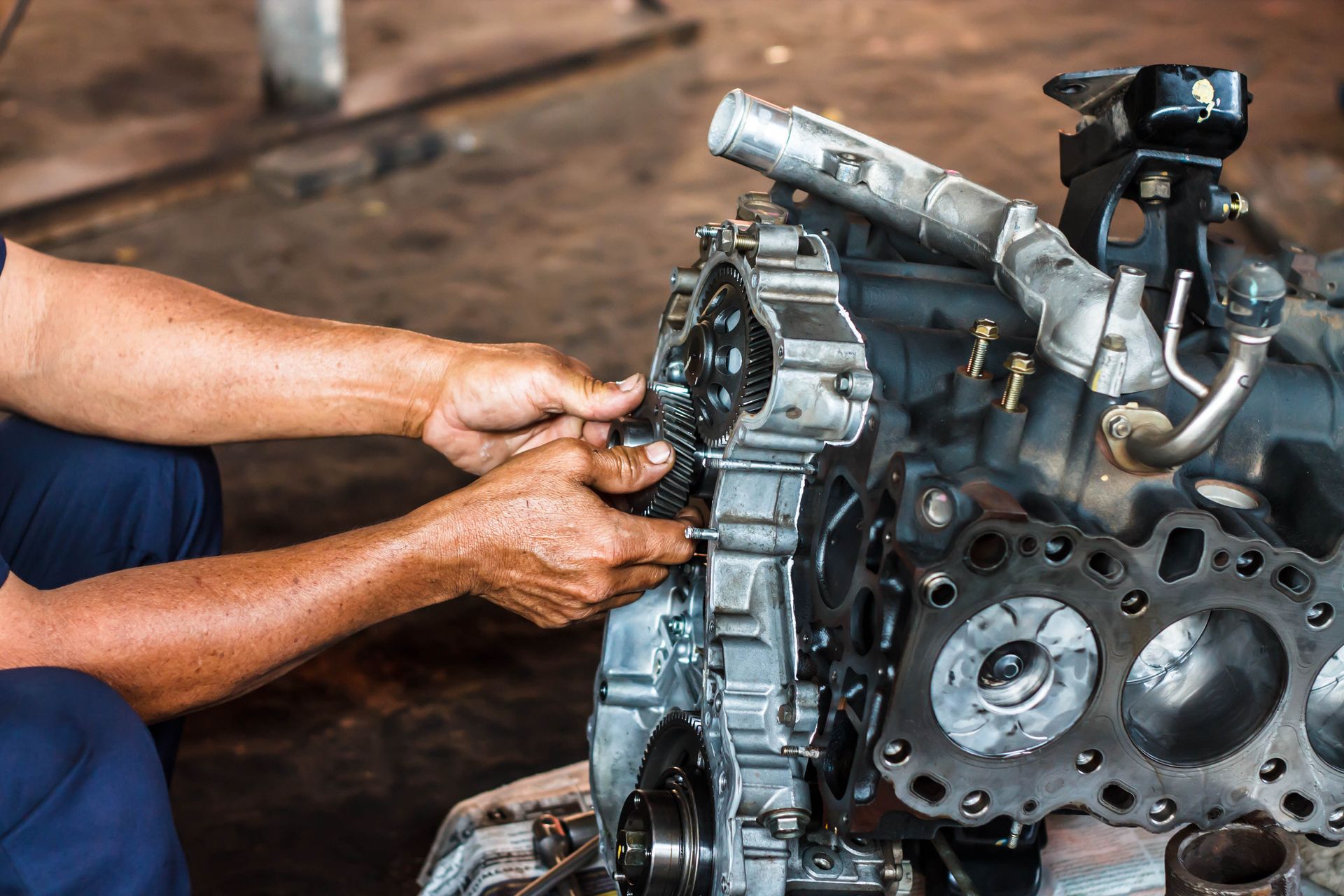
Once the vehicle has been fully drained of hazardous materials, it moves on to the meticulous dismantling phase. Just because a car can no longer be driven safely does not mean its parts are worthless. A significant portion of the revenue that allows salvage yards to pay cash for used cars comes from the extraction and resale of functioning auto parts. Technicians inspect the vehicle to identify parts in high demand and good condition. Items such as alternators, starter motors, intact windshields, side mirrors, headlights, taillights, and interior components are carefully removed. If the engine or transmission is still functional, it may be extracted, cleaned, and resold to someone looking to repair their vehicle at a fraction of the cost. Another critical component salvaged during this stage is the catalytic converter, containing precious metals like platinum, palladium, and rhodium that are highly valuable and can be refined for future industrial manufacturing purposes.
Phase 4: The Heavy Crushing and Material Shredding
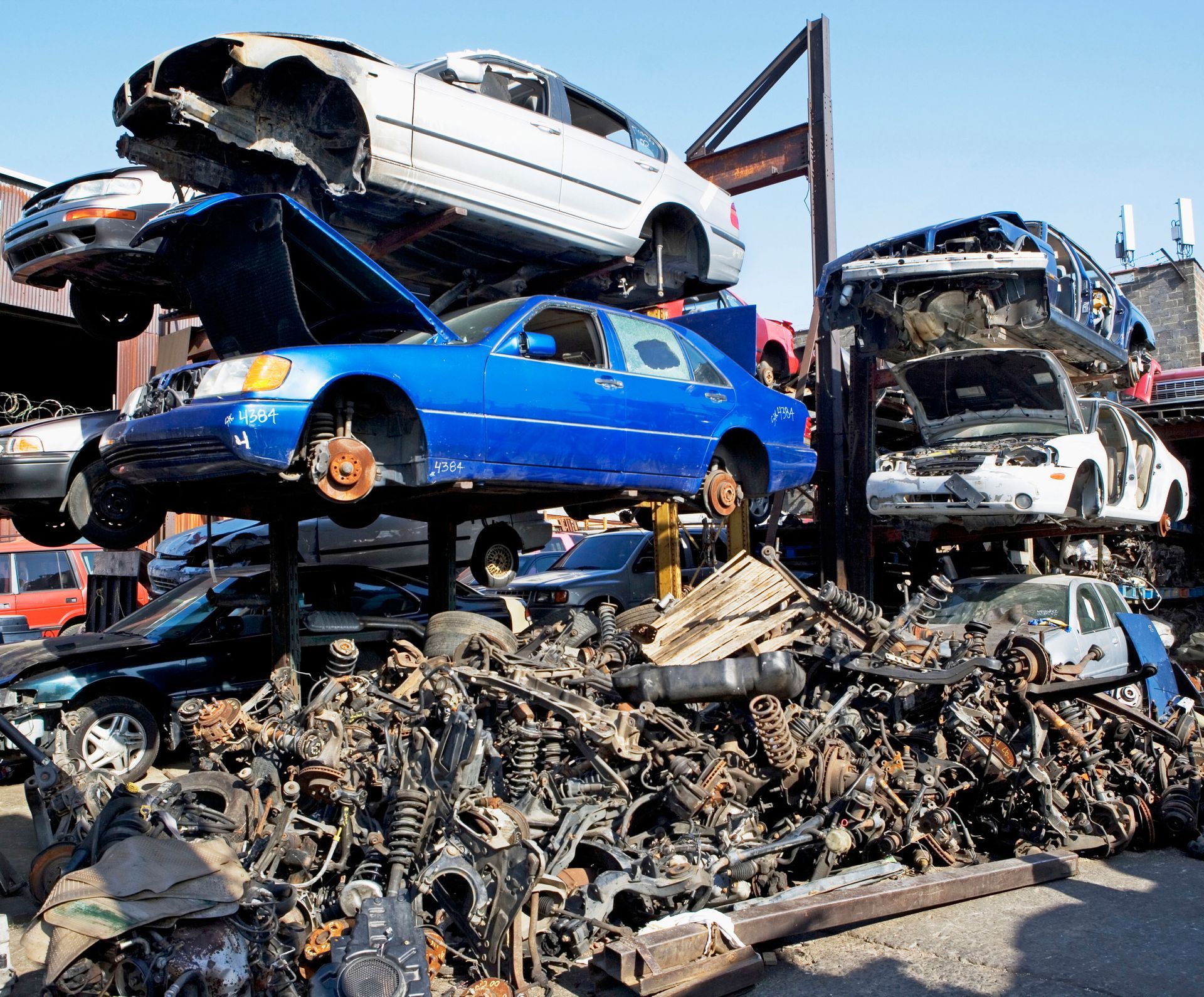
After the vehicle has been stripped of valuable parts and hazardous materials, what remains is the hulk, essentially the bare metal shell of the car. This is where heavy industrial machinery comes into play. To save space during transport, the hulks are loaded into a massive industrial crusher that flattens the vehicle into a compact, rectangular pancake. The flattened vehicles are then transported to an industrial shredder. A metal shredder is equipped with massive steel hammers that spin at incredibly high speeds. When the crushed car is fed into the shredder, it is obliterated into fist-sized chunks of metal, plastic, foam, and glass in seconds. These fragments travel along conveyor belts where they are separated. Powerful electromagnets extract all ferrous metals. According to Maximize Market Research, over 18 million tons of vehicle steel are regularly recycled. Non-ferrous metals are separated using eddy current rotors, proving that even small fragments have value, which is why the industry can pay cash for used cars so consistently.
Phase 5: The Scrap Melting and Resource Rebirth
The sorted ferrous and non-ferrous metals do not sit in piles at the salvage yard; they are swiftly shipped off to steel mills and refineries around the world. At these industrial facilities, the metal chunks are melted down in enormous electric arc furnaces that reach thousands of degrees. The molten metal is purified to remove lingering impurities, poured into molds to create billets, and eventually rolled into new sheets or cast into new shapes. The incredible thing about automotive steel and aluminum is that they can be recycled infinitely without losing strength or structural integrity. The steel from your rusted junk car could very well become a support beam in a new commercial skyscraper, a component in a household appliance, or part of a brand-new vehicle rolling off a modern assembly line. This infinite loop of usability is a cornerstone of modern manufacturing and environmental conservation.
Phase 6: The Environmental Benefits and Global Impact
The auto recycling industry is one of the most environmentally impactful sectors in the world today. By recycling millions of vehicles each year, the industry drastically reduces the need for the environmentally destructive mining of virgin iron ore, coal, and other minerals. Mining operations consume vast amounts of fossil fuels, destroy natural habitats, and contribute to global greenhouse gas emissions. It also significantly reduces air and water pollution associated with the refining process. When you choose a reputable salvage yard to handle your end-of-life vehicle, you make a choice that benefits the planet. It is not merely about exchanging keys and titles for cash for used cars; it is about ensuring a cleaner future for generations to come and supporting a highly sustainable global circular economy.
At Burnham Auto Salvage, we are incredibly proud to play a vital role in this recycling ecosystem. We understand that saying goodbye to an old vehicle can be stressful, which is why we streamlined our process to make it easy and profitable for you. We handle all paperwork, provide prompt towing, and ensure that every vehicle we process is recycled to the highest environmental standards. Our commitment to our community sets us apart in the auto salvage industry. If you have an unwanted vehicle taking up space, do not let it rust away and leak fluids. Put it to good use and let us give it a second life through our state-of-the-art recycling program. Contact our team today to get top cash for used cars and rest easy knowing that your old clunker is going on an amazing journey. Visit our website to get your free quote and start the recycling process today.



Share On: